

Log in Try a game

How it works

Play a little. Notice a lot.

ABACA is seven short talking games for children aged 3½ to 6, played side by side with a grown-up. As you play, it builds a play report: which stage your child’s talking is at, what children at that stage usually do, and small things to try at home.

The first game needs no account. Free while we are in beta.
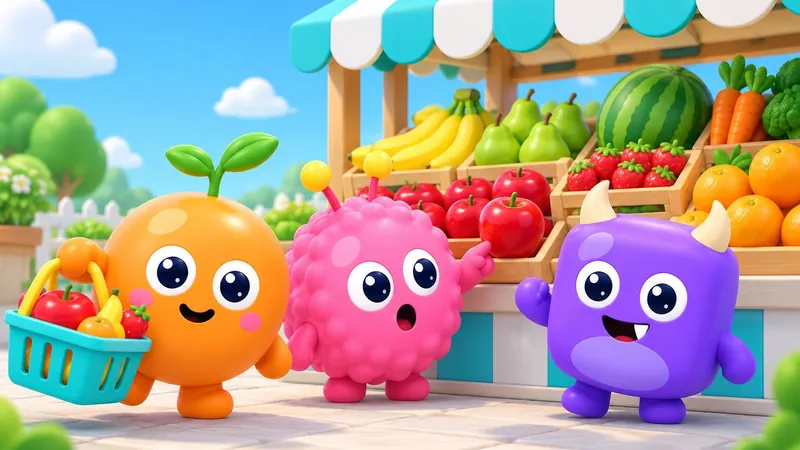
Fruit Shop · about 5 minutes

How a week with ABACA goes

There is no timetable. Here is one easy way to fit it in.

  1. Sit side by side

    Find ten quiet minutes and sit where you can both see and hear. Any phone, tablet or computer works. Hold phones and tablets sideways.

  2. Play a few games

    Each game takes 3 to 5 minutes. A friendly monster asks for help, and your child listens, taps and talks. Two or three games in a sitting is plenty.

  3. Finish the round

    One round is all seven games plus a short parent check-in about everyday talking. Spread it over the week, in any order.

  4. Open your play report

    The report shows a stage for each area of talking, with ideas for the week ahead. Each new round makes it a little sharper.

The seven games, and one for you

  • Fruit ShopA customer asks for something, and your child finds it.
    Try now
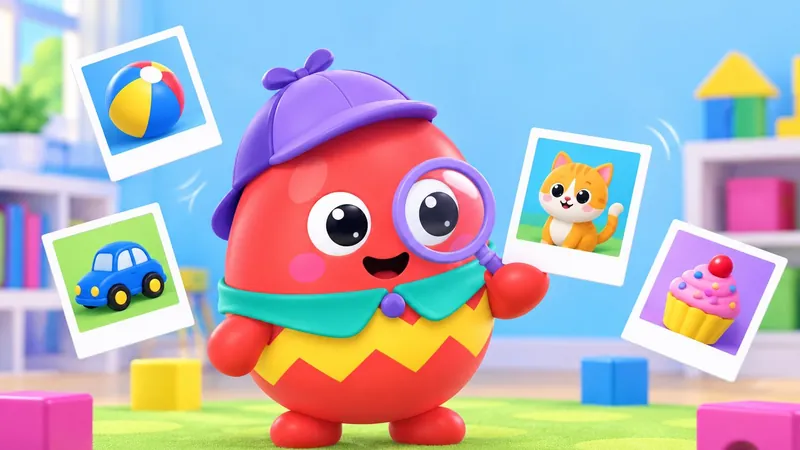
  • Teach Pip!Pip finds a picture, and your child tells him what it is.
  • Coco’s Lost PhotosCoco says a sentence, and your child taps the photo that fits.
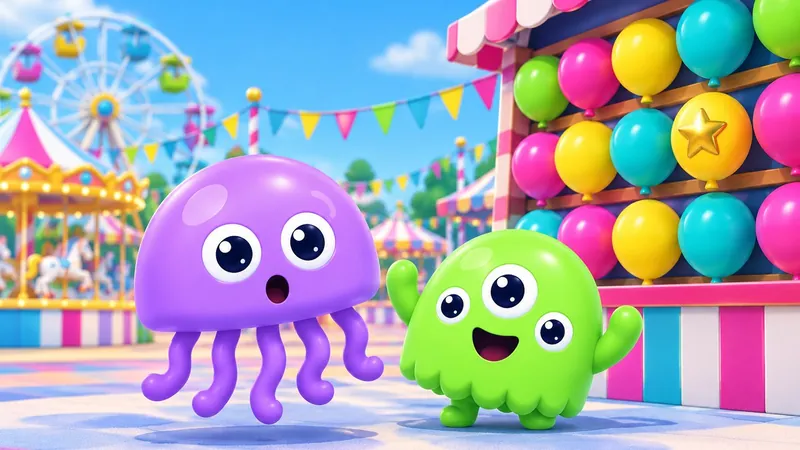
  • Biscuit at the Fun FairYour child listens and watches, then taps things in the same order.
  • Komi’s RadioKomi says a short message, and your child says it back.
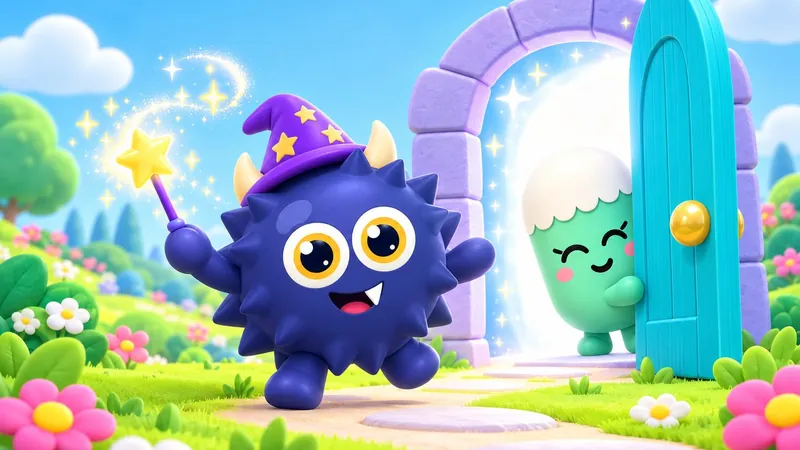
  • Ollie’s Magic DoorsOllie says a made-up word, and your child has a go at saying it.
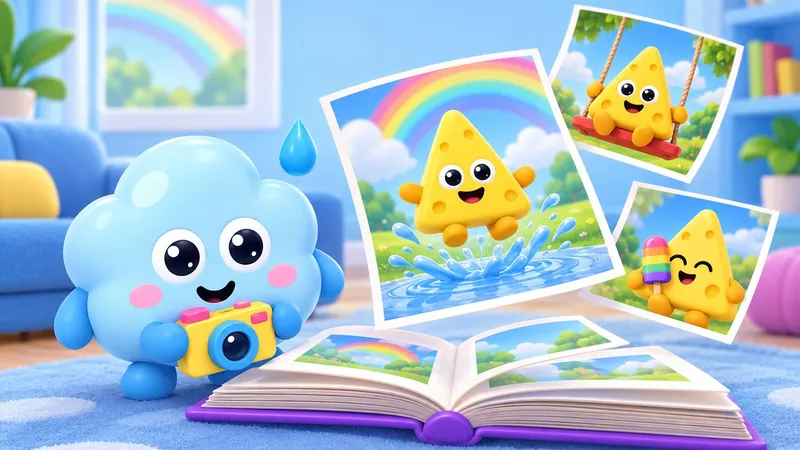
  • Rosie’s Yesterday AlbumYour child looks at a photo and says what happened yesterday.
  • Parent check-inA few questions for you about everyday talking. About 7 minutes.

What you get: the play report

A stage, not a score. For each area of talking, the report shows which of six stages fits what your child did in the games, how old children at that stage usually are, what they can usually do, and what to try next.

ExamplePlay report

Maya · 4 years 9 months · after one round
Understanding wordsStage 3 · usually 4 to 5
Using wordsStage 3 · usually 4 to 5
Understanding sentencesStage 3 · usually 4 to 5
Listening and rememberingStage 4 · usually 5 to 6
Repeating sentencesStage 2 · usually 3 to 4
Talking about the pastStage 3 · usually 4 to 5

Each stage is an early estimate and could be one stage either side. It firms up as you play more. The seventh game, Ollie’s Magic Doors, joins the report later.

Using words Stage 3 · usually 4 to 5 years old

At this stage, children can usually…

  • name many things they see only now and then
  • use a close word when unsure, such as “goose” for a swan, which shows words are being sorted by meaning

Next steps…

  • longer or rarer names
  • the exact word instead of “thing” or “that one”

Ideas for this week

  • Using wordsGive two choices

    Instead of “What do you want?”, offer two named choices: “The red jumper or the stripy one?”

  • Repeating sentencesSong lines

    Sing a line of a favourite song and stop before the end so your child finishes it. Then swap.

  • Listening and rememberingShopping list

    Ask your child to remember three things to fetch from another room. Add a fourth when three is easy.

A tip for grown-ups

Say it back, plus one. Repeat what your child said and add one word or idea. “Bus.” “A big red bus!” They hear the next step without being corrected.
A stage, never a score

Each area has six stages, from about age 2 to 7 and older. The report shows the stage that fits best, with no grades, percentages or rankings.

Firms up with play

A few minutes of play can only say so much, so at first your child could be one stage either side. That narrows as you play more rounds.

Where the stages come from

ABACA compares what your child did in the games with published research on when children usually learn these words and sentence types.

An early estimate

ABACA is in beta, and the stages have not yet been tried with large groups of children. Treat the report as a rough guide. It cannot tell you whether a child has a difficulty; only a professional who meets your child can.

Why we ask for what we ask

The report only works if it can follow one child over time. That takes a few things from you, and no more.

A family account

So the report can follow your child over the weeks and across your devices. When you sign up, we ask you to agree that ABACA keeps your play notes and check-in answers, because some of them are about health and development.

A nickname and a birth month

The month and year your child was born record how old your child was at each game. A nickname keeps brothers and sisters apart. Never a full name, never a full date of birth.

Recordings, only if you say yes

So you can listen back to your child’s answers after a game. Recordings are kept for 30 days, then deleted. Only you can hear them.

Research, only if you tick the box

If you agree, we use play notes and answers without names to learn how children’s talking grows and to improve the games. It stays off unless you tick the box.

You stay in charge. Download or delete everything, or close your account, at any time in the Grown-ups’ corner. No adverts, no tracking. The details are in the Privacy notice and the Terms.

Who makes ABACA

ABACA is made by Paper Capers Ltd, a UK company that has spent four years designing, making and sending out paper-based learning toys for children.

  • Hyekyung Choi · Founder & Creative Director, R&D planning and physical learning tool development
  • Janghyun Lee · Core Contributor, digital platform and information security
  • Chanho Park · Venture Partner, language education content and cognitive analysis
  • 139 UK registered designsincluding ‘Paper Link’ (No. 6290137)
  • Top 30, London finalAlibaba.com CoCreate Pitch Europe 2025
  • Recognised in 2021by the Mayor of London and UCL Innovation & Enterprise

What ABACA can’t do

ABACA is a play tool for families. It is worth being plain about where it stops.

  • It can’t tell you whether a child has a difficulty

    Only a professional who meets your child can do that.

  • It can’t replace advice

    Your health visitor, GP or a speech and language therapist knows things a game never will.

  • It can’t see your whole child

    A few minutes of play is a small window. Tiredness, shyness and a noisy room all change what happens.

Worried about your child’s talking?

Don’t wait for a report. Speak to your health visitor, GP or a speech and language therapist.

Have a go together

Fruit Shop takes about five minutes, and you don’t need an account.

Try a game now